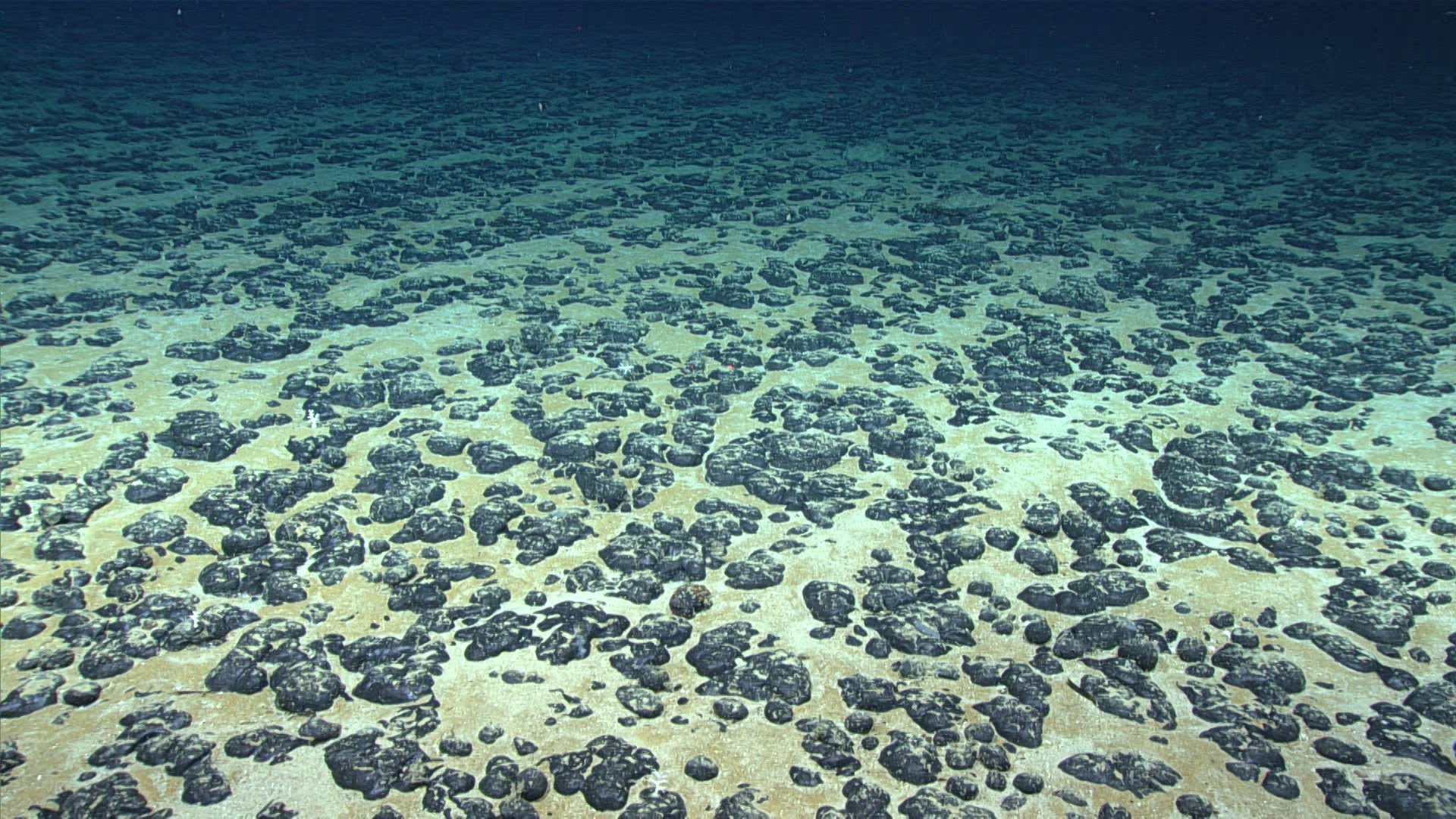
The Trump administration has scheduled what gCaptain reports will be the first offshore mineral lease auction in US history, offering roughly 31.5 million acres of seabed near American Samoa on November 19. The Interior Department’s Marine Minerals Administration (MMA) issued its final leasing notice on Monday, completing the last major administrative requirement before bidding can begin.
The auction, designated PACM-1, comprises two areas of 16.3 million and 15.2 million acres. According to gCaptain, each carries a minimum bid of $3 million and an initial lease duration of 20 years. Royalties would be charged at 2% during the first five years of commercial production, rising to 5% subsequently.
Potential resources include polymetallic nodules and ferromanganese crusts containing nickel, cobalt, copper and manganese. The administration regards increased domestic access to critical minerals as a national security priority as it seeks to lessen dependence on supply chains dominated by China. Acting MMA director Mike Olsen said the agency would also take account of the surrounding waters’ cultural, economic and environmental importance.
A successful bid would not authorise commercial extraction. MMA said leaseholders could initially undertake mapping, environmental surveys and other preliminary work, while more extensive exploration, testing and mining would require additional federal permissions and environmental reviews. Its environmental assessment found no significant impact from the initial activities covered by the leasing proposal.
Environmental organisation Oceana criticised the decision, saying the areas lie near Rose Atoll Marine National Monument, which supports sea turtles, humpback whales and other wildlife. Environmental groups warn that machinery collecting seabed nodules or stripping mineral crusts could damage habitats and generate sediment plumes affecting marine life beyond the sites themselves.
American Samoa Governor Pulaali’i Nikolao Pula sought stronger environmental monitoring, safeguards for tuna fisheries and closer oversight of vessels using Pago Pago Harbor. His submissions also highlighted possible cumulative pressures on port infrastructure, waste management and water quality. He argued that commercial extraction should be assessed separately rather than assumed to follow the auction.
MMA said it had incorporated the governor’s recommendations where legally possible or would consider them in later reviews. It also said current law did not allow the revenue-sharing arrangement he requested. The auction advances Washington’s offshore minerals plans, although whether it produces a commercial mining industry remains uncertain.