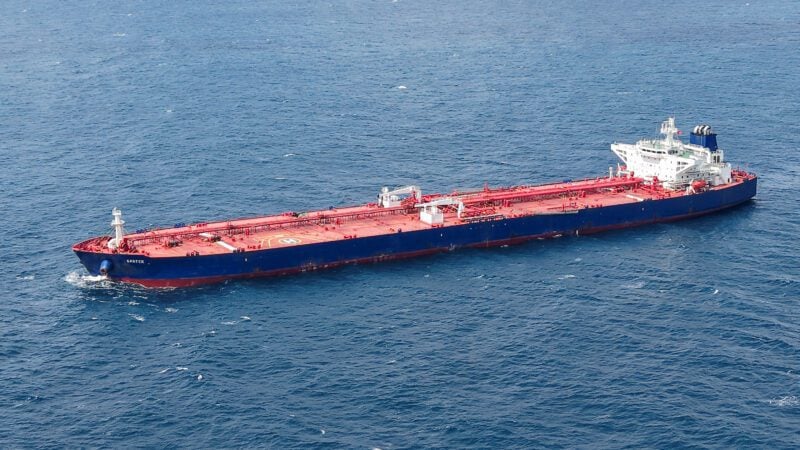
The Trump administration is authorising sales of sanctioned oil tankers so they can return to service carrying non-sanctioned crude, US Energy Secretary Chris Wright said, according to gCaptain. The initiative aims to increase available shipping capacity as the war in Iran and the effective closure of the Strait of Hormuz disrupt oil supplies.
Speaking on Monday at a Citadel Securities event in New York, Wright said the government was working with investors who purchase idle sanctioned vessels, refurbish them and put them back into lawful trade. He described an approval process intended to give the ships legitimate status, while rejecting the suggestion that Washington was simply lifting sanctions on tankers previously used to transport Russian or Iranian crude.
According to gCaptain, the remarks provided the administration’s first detailed public account of its plan to draw vessels from the sanctioned fleet into legitimate operations. Wright put the global fleet of sanctioned tankers at roughly 1,600 vessels and said the programme could eventually bring dozens, or potentially hundreds, into lawful service. He said the converted vessels would no longer transport sanctioned oil.
The push comes amid sharply higher transport costs and pressure over fuel affordability ahead of US midterm elections. gCaptain reported that shipping oil from the Persian Gulf to East Asia now costs more than six times its pre-conflict level. Shipping data provider Signal Ocean estimates that more than 40% of the world’s approximately 850 very large crude carriers are either in the Persian Gulf or within a couple of days’ sailing distance.
Wright also linked the administration’s widely criticised decision to work with Russian President Vladimir Putin on releasing Russian diesel supplies into global markets to efforts to encourage an end to the Ukraine war. He argued that Russia could create exportable diesel surpluses by ending the conflict, reaching an energy ceasefire that allowed refinery repairs, or cutting diesel consumption by its military. He presented those potential changes as incentives for movement towards peace.