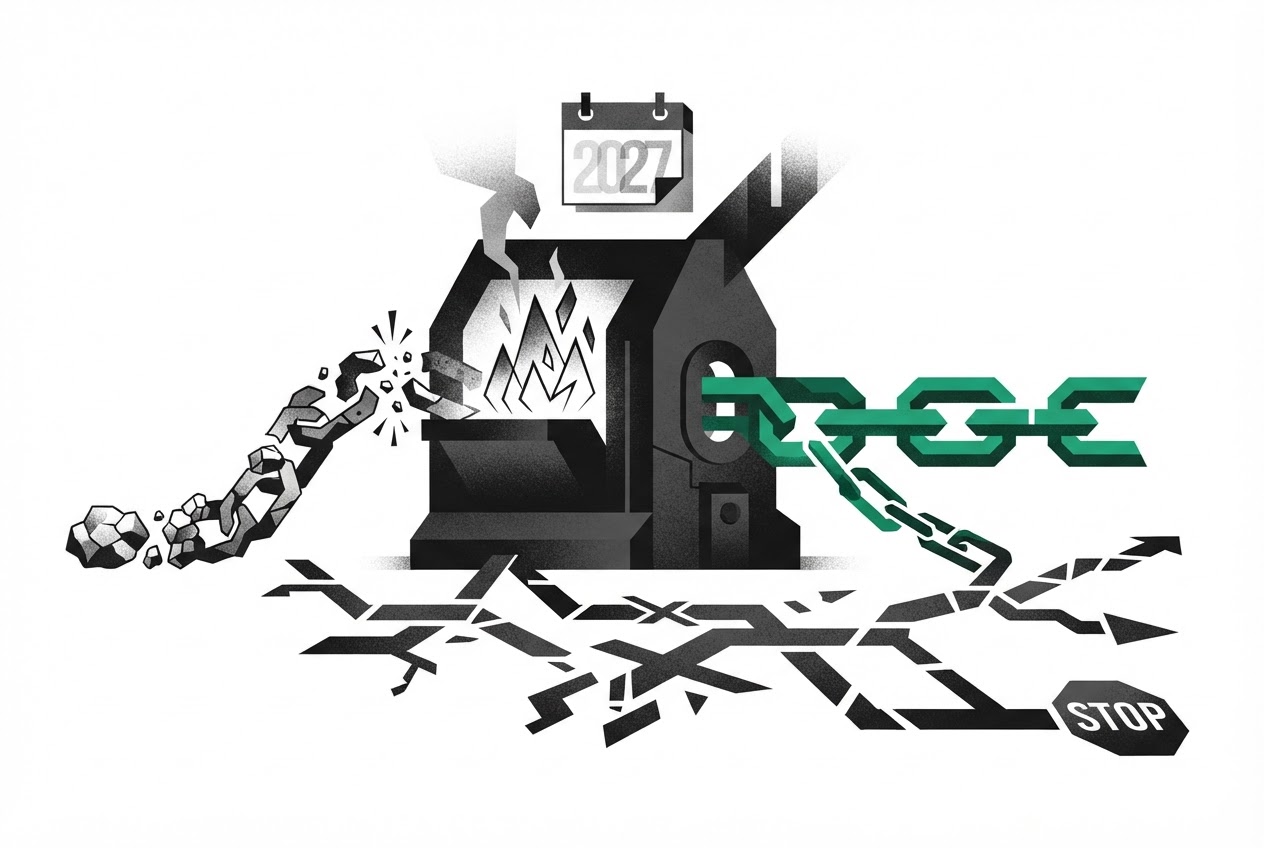
New Pentagon procurement restrictions due to take effect on 1 January 2027 will limit Chinese-origin rare earth materials in US weapons systems, putting alternative supply chains under pressure to prepare. According to OilPrice.com, the rules extend across mining, refining, separation, melting and production, making the provenance of materials an issue throughout the manufacturing process.
The report highlights REalloys as a prospective North American supplier of heavy rare earth metals and alloys, although several milestones remain ahead. In June, the company said it expected high-purity dysprosium, terbium and neodymium-praseodymium oxides from SRC as early as the fourth quarter of 2026 to support customer qualification and supply-chain validation. SRC’s Saskatoon facility is being upgraded, with about 150 tonnes of annual neodymium-praseodymium metallisation capacity targeted for the first quarter of 2027. Integrated production from monazite concentrate to separated products and metal is targeted for the third quarter.
REalloys’ downstream operations in Euclid, Ohio, have worked on heavy rare earth metallisation and magnet manufacturing, alongside contracts involving the US defence and energy departments and NASA. OilPrice.com reports that the company owns Saskatchewan’s Hoidas Lake rare earth project, has feedstock agreements across several countries and US regions, and holds an exclusive offtake agreement covering 80% of SRC’s neodymium-praseodymium, dysprosium and terbium production.
A letter of intent signed with South Korean magnet manufacturer JS Link on 7 July aims to combine REalloys’ supply and metallisation capabilities with magnet manufacturing technology. Separately, the US Army selected REalloys for negotiations over building and operating processing facilities at Tooele Army Depot in Utah. These developments represent proposed partnerships and negotiations, rather than confirmation that the additional facilities or supply chain are operating.
Qualification remains a major obstacle. OilPrice.com describes defence materials approval as a multi-year process in which changes to chemistry, processing or production scale can require renewed testing. It also cites the Center for Strategic and International Studies as identifying metallisation as a particularly underdeveloped capability outside China. With China repeatedly tightening export controls on technology, equipment and materials, the challenge extends beyond securing ore to establishing processing capacity and gaining customer approval.