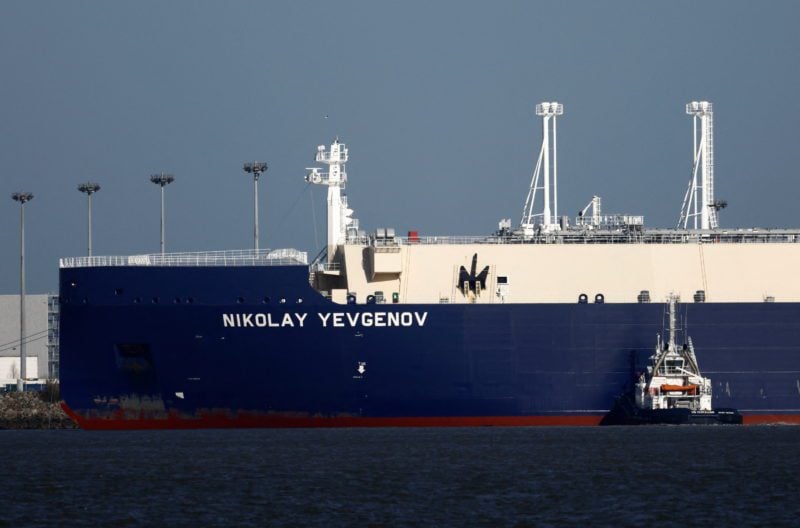
Russia shipped about 20 million barrels of oil to Asia through the Northern Sea Route between the start of navigation in July and mid-October 2026, according to a Reuters report published by gCaptain. Citing traders and shipping data, the report said volumes had already surpassed the previous navigation season’s total by nearly 50%, as disruption elsewhere improved the Arctic passage’s relative appeal.
The route connects Russia’s western ports with Asian buyers through Arctic waters. Traders described it as generally more hazardous and costly than conventional alternatives, but said interruptions around the Suez Canal, Strait of Hormuz and Black Sea had changed the calculation this year. Record tanker freight rates, fuelled by the wars in Iran and Ukraine, have made the high charges for Arctic voyages, including mandatory icebreaker assistance, less onerous relative to deliveries through the Red Sea.
According to the report, rising freight costs have also put US crude beyond the reach of Asian refiners, prompting them to seek alternatives from the Middle East and Latin America. For Russia, control of the Northern Sea Route offers another advantage: an alternative to European waters, where tankers carrying Russian oil have repeatedly been detained this year.
Traders’ preliminary estimates point to a further 5 million to 10 million barrels moving through the Arctic passage before the navigation season ends. That would add to shipments already above the 13 million barrels transported during the previous season. Gazprom Neft chief executive Alexander Dyukov told journalists in Moscow that the company would increase its Northern Sea Route shipments by roughly 35% compared with 2025.
The expansion extends beyond oil. Russia also transports LNG and other goods along the route, with LNG deliveries expected to increase following the launch of Arctic LNG shipments. Rosneft’s Vostok Oil project, which the report said opened the previous month, is already adding cargo. Speaking at an economic forum in Vladivostok in September, President Vladimir Putin said Russia expected annual cargo throughput on the route to double to 70 million metric tonnes by the end of the decade.