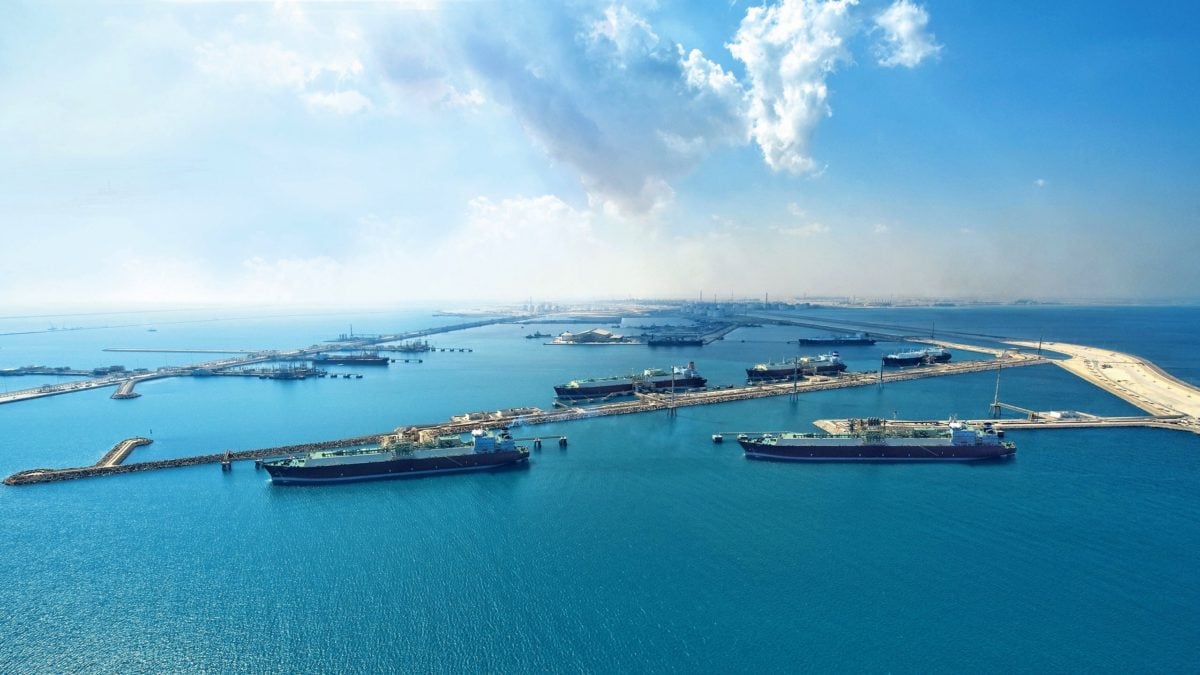
A vessel carrying Qatari liquefied natural gas is travelling north through the Red Sea and signalling Poland as its next destination, taking an unusual route that could shorten its journey to Europe. gCaptain, carrying a Bloomberg report, said the transit comes as European natural gas prices reach their highest level in almost four years and shipping remains exposed to the threat of renewed Houthi attacks.
The carrier loaded its cargo in Qatar in August, according to ship-tracking data compiled by Bloomberg. Poland’s Orlen SA holds a long-term supply agreement with QatarEnergy, but deliveries under that contract were cancelled after drone strikes hit the exporter’s Ras Laffan facility in March. QatarEnergy did not immediately respond to requests for comment on the latest voyage.
Many commercial ships have been avoiding the Red Sea in favour of the longer passage around Africa’s Cape of Good Hope. For vessels heading to Europe, that diversion can extend a one-way voyage by almost two weeks and increase costs, the report said. The northbound carrier’s route therefore offers a potentially faster delivery, although it takes the vessel through waters where security risks persist.
UK Maritime Trade Operations reported on Saturday that a skiff approached an unidentified LNG tanker south-east of Al Mukalla, the Yemeni port in the Gulf of Aden, and fired two shots. The tanker’s security personnel responded by firing twice. UKMTO supplied no further details. Bloomberg’s tracking data suggested the Poland-bound ship was the only LNG carrier in the area at the time and had subsequently continued sailing, but the report did not establish its identity as the vessel involved.
The cargo’s progress comes against a backdrop of prolonged disruption around the Strait of Hormuz, which has constrained global LNG supplies for months, lifted prices and pushed Middle Eastern suppliers to seek alternative arrangements. According to the report, Europe has also struggled to replenish gas stocks before winter. Inventories are at their lowest seasonal level in more than a decade, leaving the continent exposed to further price increases as temperatures fall.